
 Bright lights, close-up photos, quick conversations—show day puts everything on display. Confidence, though, isn’t something you switch on backstage. It’s built from a few small habits you can control before you ever step in front of the camera.
In a Washington, DC show setting, where you’re moving between rooms, people, and moments, a simple plan makes everything feel easier. This guide breaks confidence down into practical steps you can actually use on the day.
What this covers
- Hair choices that frame your face and photograph well
- A natural, repeatable “runway smile” routine
- Practical confidence tips if you wear clear aligners
Think of it as a checklist you can rely on—before the show and between photos.
Confidence starts before show day, not backstage
Confidence is built in prep, not in panic. Last-minute nerves tend to show up on camera as stiff posture, forced smiles, or constant adjustments. A few calm, repeatable habits go much further than scrambling for fixes.
The easiest way to stay grounded is to treat confidence as a system: hair you’ve already practiced, a smile you’ve rehearsed once or twice, and comfort basics you don’t have to think about. When those pieces are set, everything else feels lighter.
It also helps to remember that runway looks are rarely created alone. Inspiration comes from teams who do this every week. Browsing meet the hair stylists powering the runway can spark ideas you know will translate well under lights and lenses.
Your pre‑show confidence mini‑checklist
- Outfit fits comfortably when you sit and stand
- Hair plan saved (and practiced once)
- Lip care packed
- Small comfort kit ready
- Backup pins or elastics in your bag
Hair that frames your face makes photos feel easier
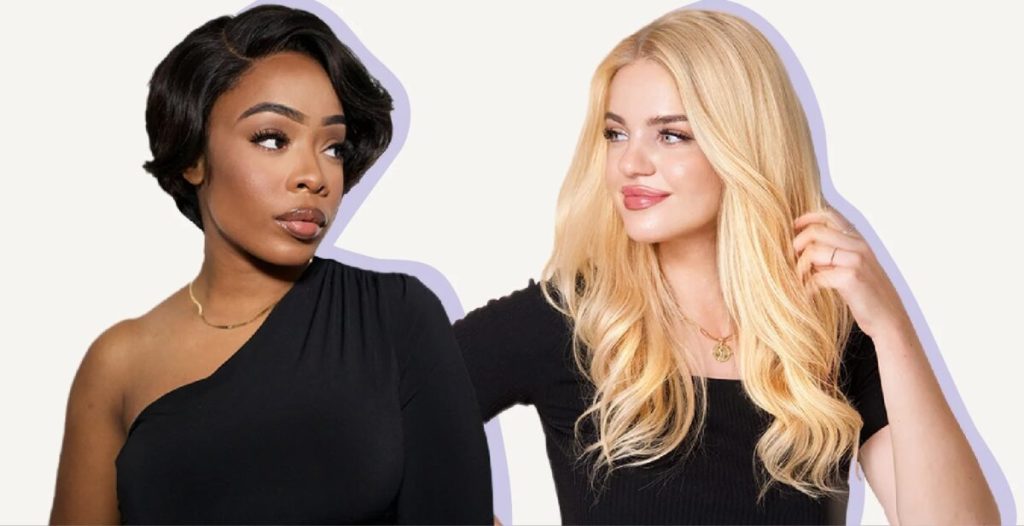
Face‑framing hair instantly reduces “camera panic.” Under bright lights, clean lines around the face help features read clearly and keep photos consistent from angle to angle.
You don’t need a dramatic change to get this right. Soft waves that hit the jawline, a sleek low bun with loose pieces, or a ponytail with gentle framing tend to photograph well without constant adjustment. The goal is a shape that stays put.
Classic shapes work for a reason. If you want inspiration that won’t feel dated next season, look to timeless hairstyles that still look modern and choose one you can recreate easily on show day.
Fast photo checks before you step out
- Smooth flyaways at the hairline
- Check part placement under overhead light
- Light shine control (not heavy gloss)
- Face‑framing pieces sitting evenly
A runway smile is a skill you can rehearse
Your best smile is practiced, not forced. A “camera smile” often feels different from a casual one, especially when you know lenses are close. Practicing once or twice removes the guesswork.
Start with relaxed basics: unclench your jaw, soften your eyes, and let the smile come up gently instead of wide and tense. Try this with your phone camera so you can see what looks natural on screen.
The 3‑step smile rehearsal
- Take one slow breath and drop your shoulders
- Rest your tongue lightly behind your teeth
- Lift into a soft smile and hold for two seconds
Find one angle that feels like “you” and come back to it every time. If you wear aligners, rehearse with them in so nothing feels unfamiliar on the day.
Clear aligners in close-ups: what’s noticeable and what’s not
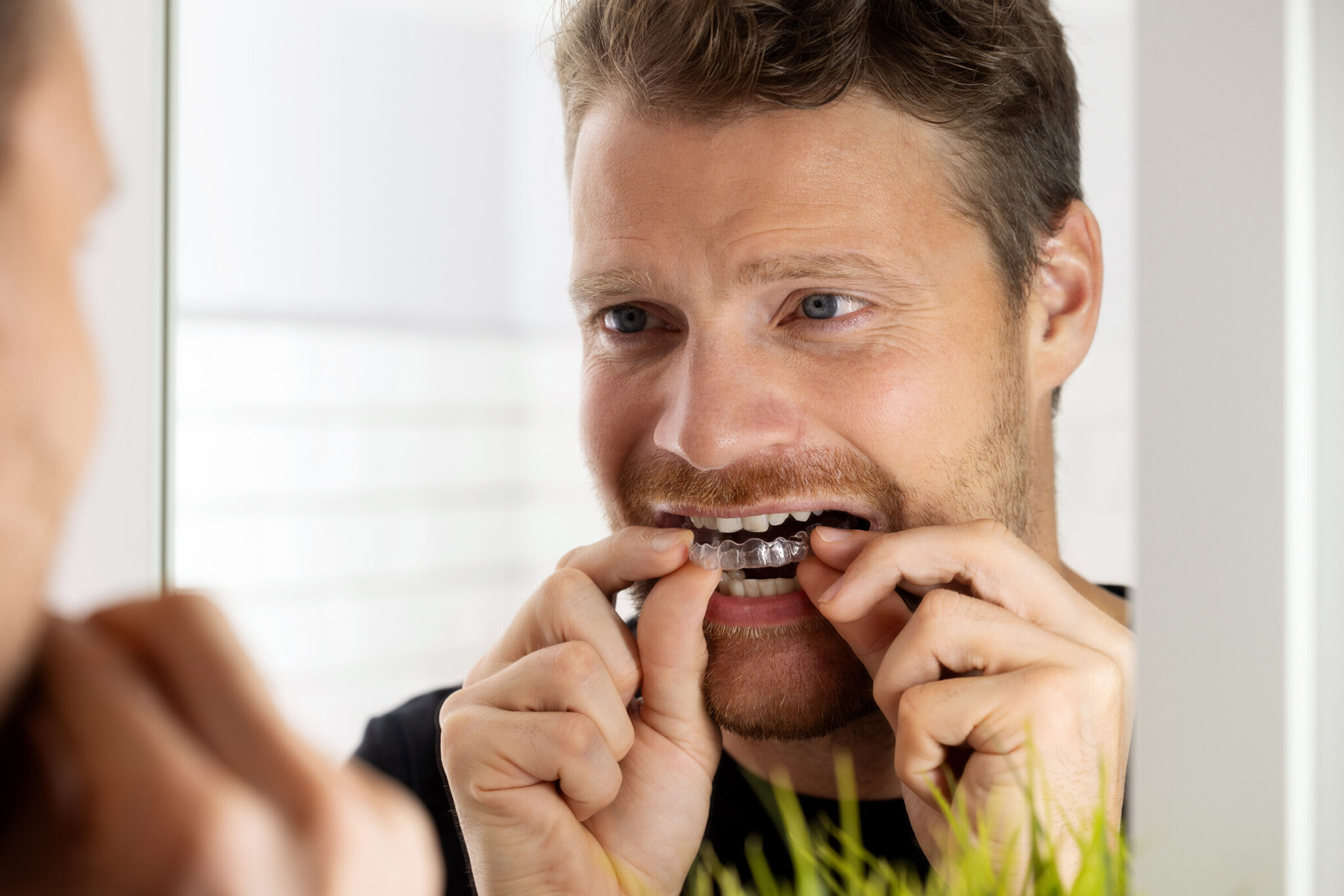
Most people notice confidence before they notice trays. Clear aligners are designed to be discreet, but it’s normal to feel more aware of them in close‑up situations. What tends to stand out isn’t the aligner itself—it’s hesitation, dryness, or constant fidgeting.
A short rehearsal helps. Talk and smile for a minute with your aligners in so you know how your speech feels. For background context, this overview on how clear aligners work and what they treat explains their purpose and use from an orthodontic perspective.
If you’re wondering whether clear aligners are noticeable day to day, real‑world observations can be reassuring. Confidence usually comes from preparation, not hiding.
Discreet aligner confidence moves
- Carry a proper case (not a napkin)
- Use lip balm to reduce dryness
- Avoid fiddling with trays during photos
- Warm up your speech before conversations
For anything treatment‑specific, it’s always best to check with a qualified professional.
Comfort wins: small habits that keep your mouth camera-ready
Comfort routines help you smile longer without fuss. Dry mouth or sugar spikes can show up quickly under lights, especially during long event days.
Stick to basics you already know: water first, mindful snacking, and consistent oral hygiene. For general guidance, the CDC’s oral health tips for adults are a helpful reference point.
On show day, that often looks like:
- Brushing before you head out
- Rinsing after snacks or coffee
- Hydrating between segments
- Following your usual aligner wear routine
Simple habits keep everything feeling normal—even when the day is busy.
Five-minute resets between photos keep you looking intentional
Quick resets beat overthinking when the camera’s up. Between photos, use the same short loop every time so you don’t reinvent your routine.
Check hair framing, smooth flyaways, reset your smile, drop your shoulders, and breathe. Consistency helps photos look cohesive from the first shot to the last.
If you want extra ideas, these quick hair hacks for last-minute touch-ups are perfect when you only have minutes to spare. Keep changes subtle so you still look like yourself in every frame.
The 60‑second reset loop
- Smooth hair at the face
- Check lips and smile
- Roll shoulders back once
- Take one slow breath
- Step forward confidently
Final takeaways
Confidence reads before perfection. When your hair frames your face, your smile feels practiced, and your comfort basics are handled, everything else falls into place.
If you wear clear aligners, rehearse with them and keep your routine simple. Choose repeatable options, reset quickly between photos, and trust the preparation you’ve already done.